Packing guide · DASH Academy

Proper packing.
Safer shipping.

From the right cardboard box to protection, dimensions and sealing, here you will find practical instructions for properly preparing a parcel, a suitcase or your household goods before transport.

  1. 01Choose
  2. 02Protect
  3. 03Pack
  4. 04Measure
  5. 05Ship
For standard parcel shipments

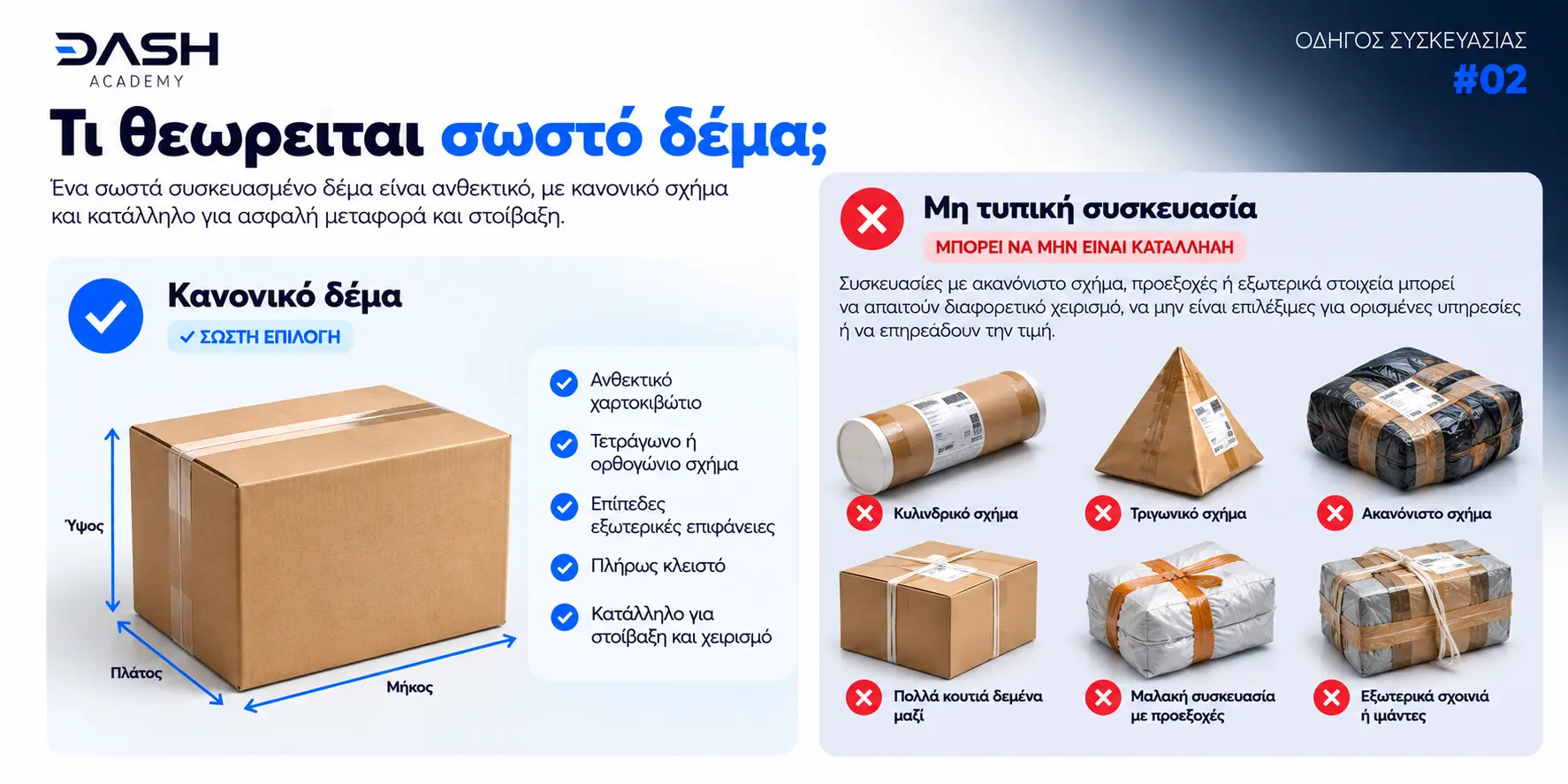
First things first: what counts as a proper parcel?

Proper parcel: a sturdy rectangular cardboard box with length, width and height. Non-standard packaging: cylindrical, triangular or irregular shapes, several boxes tied together, soft packaging with protrusions, external ropes or straps.
Tap the image to enlarge
Correct

Regular parcel

A sturdy, square or rectangular cardboard box, fully closed, with flat outer surfaces, properly secured with tape and suitable for stacking.

Non-standard

Non-standard packaging

Packages with an irregular shape, protrusions or external elements may require different handling, may not be eligible for certain services or may affect the price. What is accepted depends on the service.

Start with a clean, sturdy cardboard box.

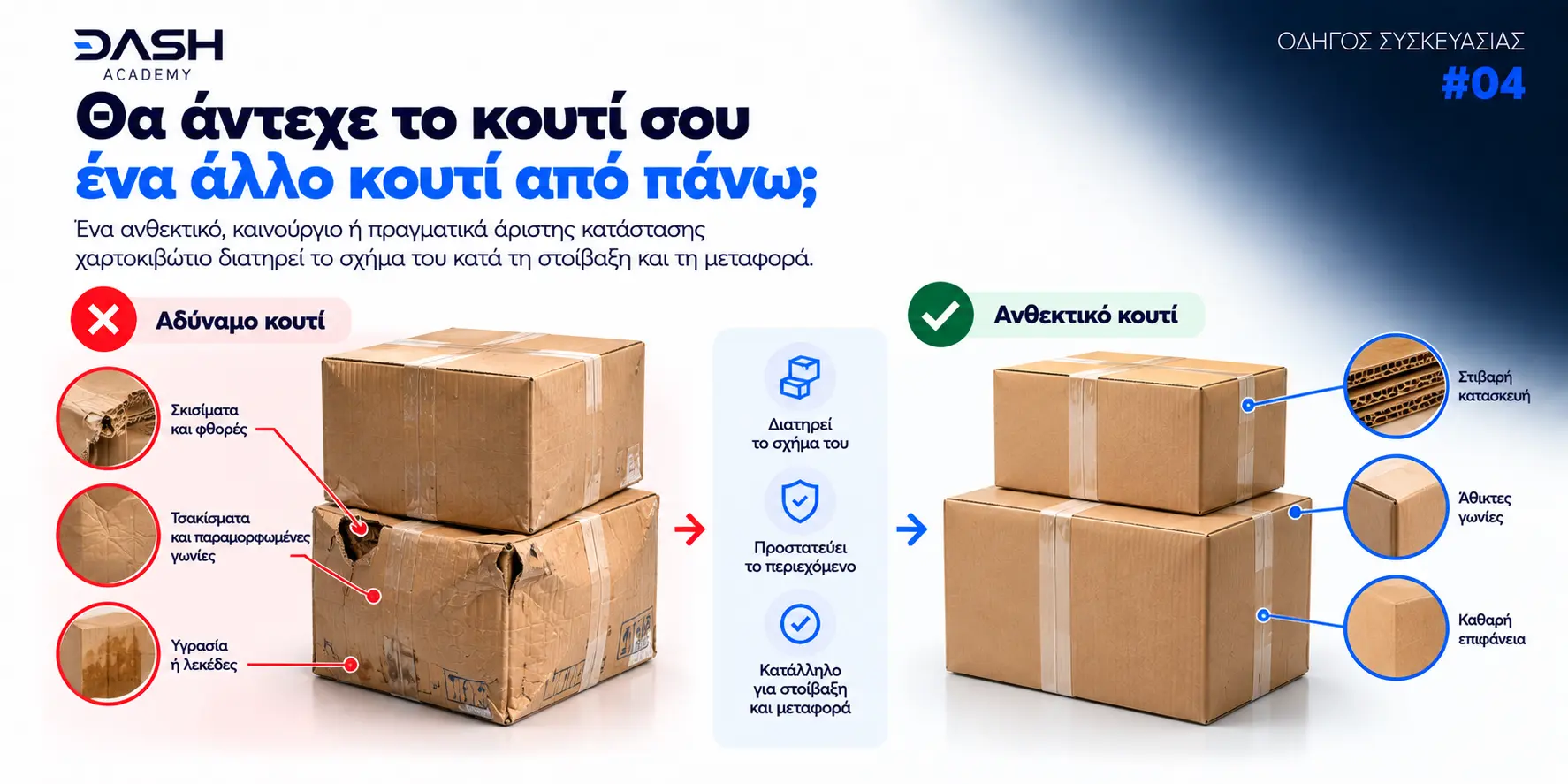
For standard parcel shipments, choose a new or genuinely excellent-condition corrugated cardboard box, with no moisture, tears, deep creases or deformed corners.

A used box may look fine but may already have lost part of its structural strength. During stacking and transport it can be crushed, deformed or burst open. Asking “would it hold another box on top?” is a simple way to judge. For fragile or heavier items, choose a double-wall cardboard box.

Would your box hold another box on top? A weak box with tears, creases and moisture compared with a sturdy box with solid construction, intact corners and a clean surface.
Tap the image to enlarge
Applies to standard parcel shipments

Clean outside. No old markings.

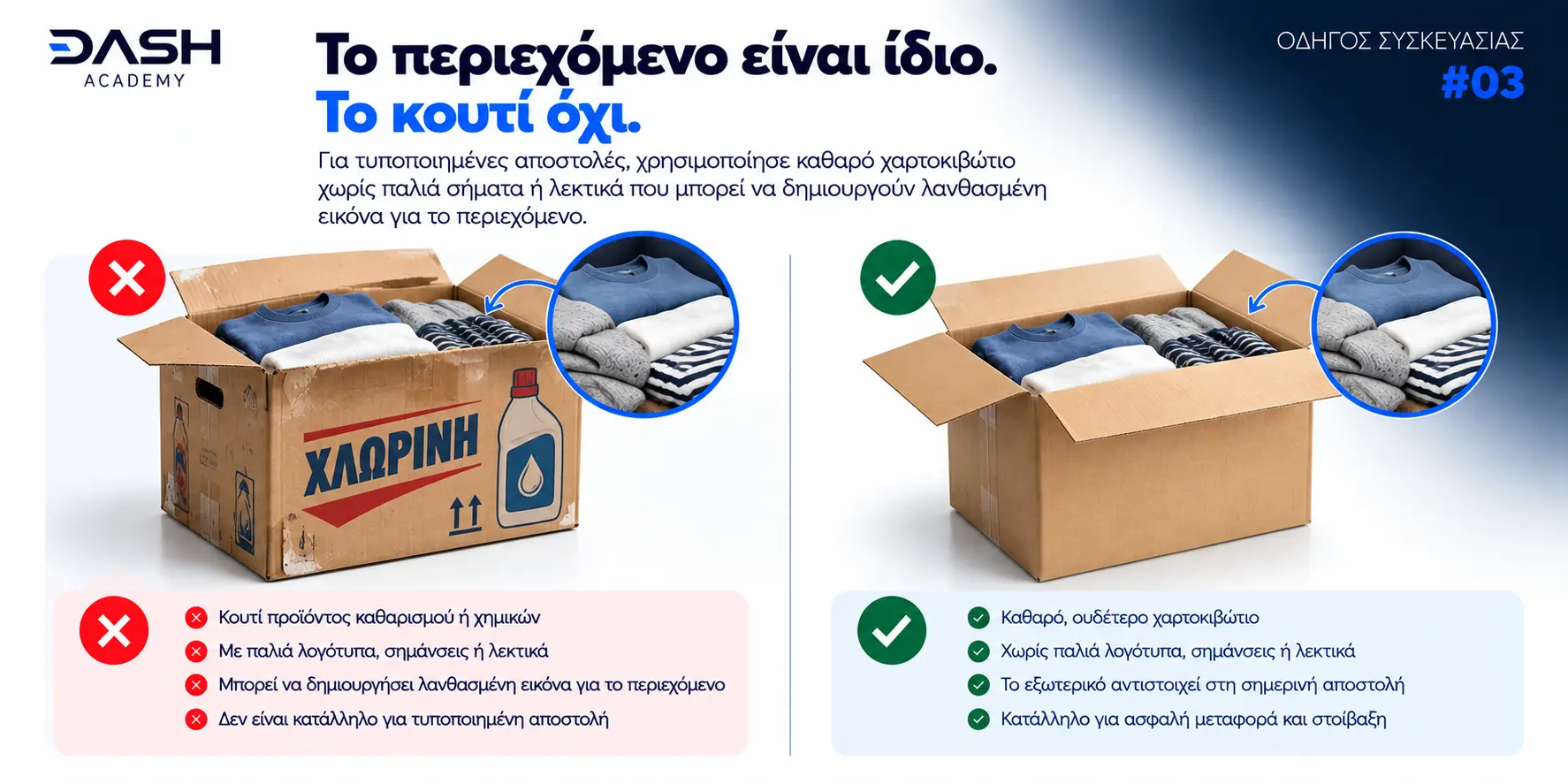
For standard shipments through partner carrier networks, use a clean cardboard box with no old shipping labels, barcodes, markings or wording that could give a misleading impression of the contents.

Avoid boxes whose exterior refers to cleaning products, chemicals, flammables or other restricted contents, even if they now contain only clothes or personal items.

The outside of the package must clearly match the current shipment and carry only the necessary markings and the current shipping label.

Same contents, different box: a cleaning-product box with old markings compared with a clean, neutral cardboard box holding the same clothes.
Tap the image to enlarge

Same contents — correct outer packaging. The example concerns only the outside of the box; it does not mean that cleaning products or chemicals are accepted. This rule applies to standard parcel shipments, not to moving boxes.

Key rules

The 4 things that make the difference.

  1. 01

    A sturdy box

    Use a strong cardboard box suitable for the contents — double-wall for heavy items.

  2. 02

    The less empty space, the better

    The contents must not move freely inside the box.

  3. 03

    Protection between items

    Fragile items are wrapped individually and separated with suitable protective material.

  4. 04

    Sealing that survives transport

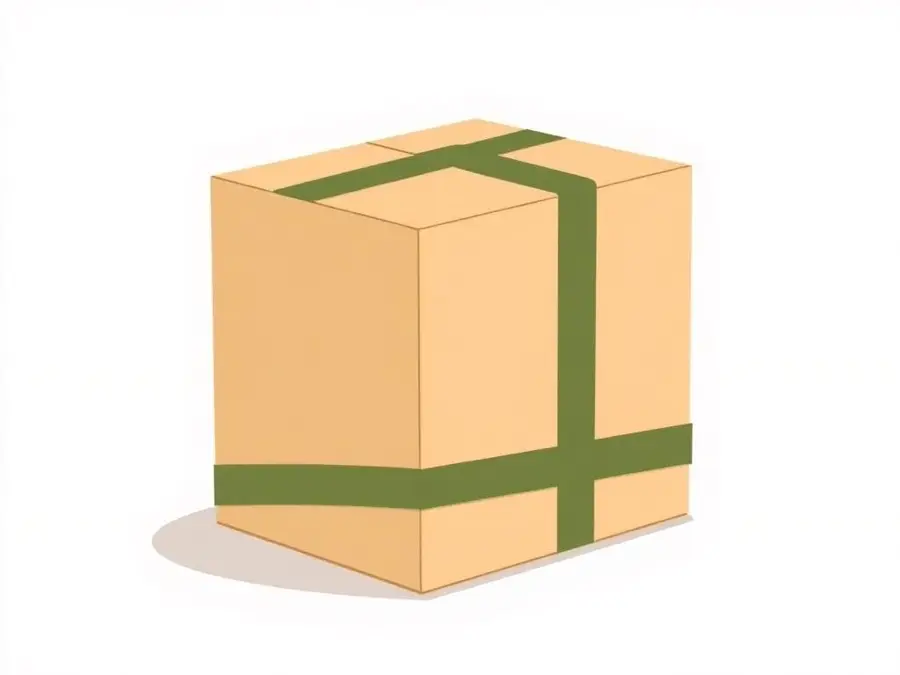
    Use proper packing tape and seal the box well — ideally in an H pattern.

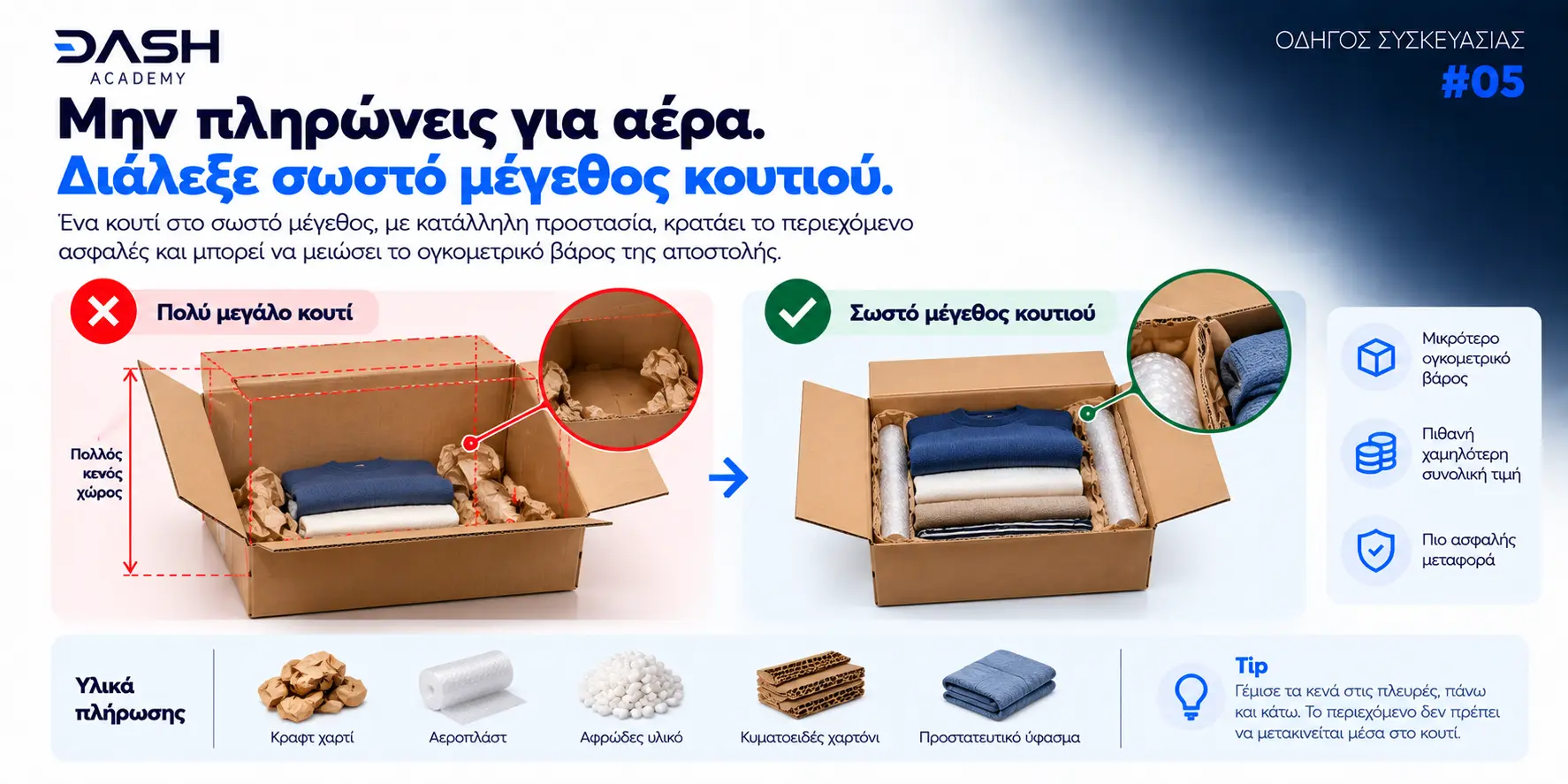
An oversized box with a lot of empty space compared with a right-sized box with all gaps filled. Filling materials: kraft paper, bubble wrap, foam, corrugated cardboard, protective fabric.
Tap the image to enlarge

The right size protects both your parcel and your wallet.

DASH Academy · Volumetric weight

It's not just kilos that travel.
Volume travels too.

A large but light parcel takes up more space in the vehicle or aircraft. That is why transport pricing may also take volumetric weight into account.

Same actual weight, different volume.

  1. Greater volume
  2. more space
  3. possibly higher chargeable weight

How is it calculated?

Length × Width × Height ÷ volumetric weight divisor

The divisor varies by carrier and service.

Illustrative example

Dimensions
60 × 40 × 40 cm
Actual weight
8 kg
Illustrative divisor
5,000
Volumetric weight
19.2 kg

The actual calculation and divisor depend on the service.

Smarter packing

Less volume, with no compromise on protection.

Clothes, blankets and linens

Jackets, duvets, blankets and other soft items may weigh little but take up a lot of volume. Vacuum compression bags can significantly reduce the space they take up, where they are suitable for the contents.

Before → compression → after

Vacuum bags are inner packaging: they always go inside a suitable outer cardboard box.

Don't pay to ship air.

Choose the smallest cardboard box that fits the item together with the necessary protection.

  1. 1Less empty space
  2. 2better stability
  3. 3possibly lower cost

Step by step

How to pack a parcel properly.

  1. 1

    Choose the right box

    Sturdy, the right size, structurally intact.

  2. 2

    Protect every item

    Wrap fragile and delicate items individually, with bubble wrap or paper.

  3. 3

    Fill the gaps

    Nothing should move inside the closed box.

  4. 4

    Seal it properly

    Proper packing tape in an H pattern, top and bottom.

  5. 5

    Measure the final parcel

    Length, width, height — once it is closed.

The dimensions you declare to DASH are the outer dimensions of the final, closed parcel. Do not exceed the service's weight and size limits — see the shipping rules.

Special items

Sending something specific?

Choose the item and open its guide. Permitted contents are defined in the shipping rules.

SuitcaseWhy a cardboard box is usually the better choice.

If you are sending a suitcase

  • It can be transported as it is, but placing it in a cardboard box is strongly recommended.
  • Protect the wheels and zips; wrap it in stretch film for extra security.

Why is a cardboard box usually better?

A suitcase's wheels, handles and irregular shape make automated sorting difficult. That is why most carriers treat it as a special-handling item, which often means an extra charge. In addition, if damage occurs, carriers' insurance usually does not cover unpackaged suitcases.

A regular, right-sized cardboard box protects your belongings better and is more suitable for standard transport. Depending on the route and service, it may also cost less.

Shipping a suitcase abroad

Suitcase packed for shipping
Olive oilSealing, leak protection and the right box in 6 steps.

Olive oil

How do I pack olive oil properly?

Shipping olive oil requires particularly careful packing, because any leak during transport can damage both your own shipment and other goods.

For the shipment to be collected and travel safely, every olive oil container — metal tin or suitable plastic container — must be packed according to the steps below.

For countries, quantities and accepted packaging, see the olive oil shipping abroad page.

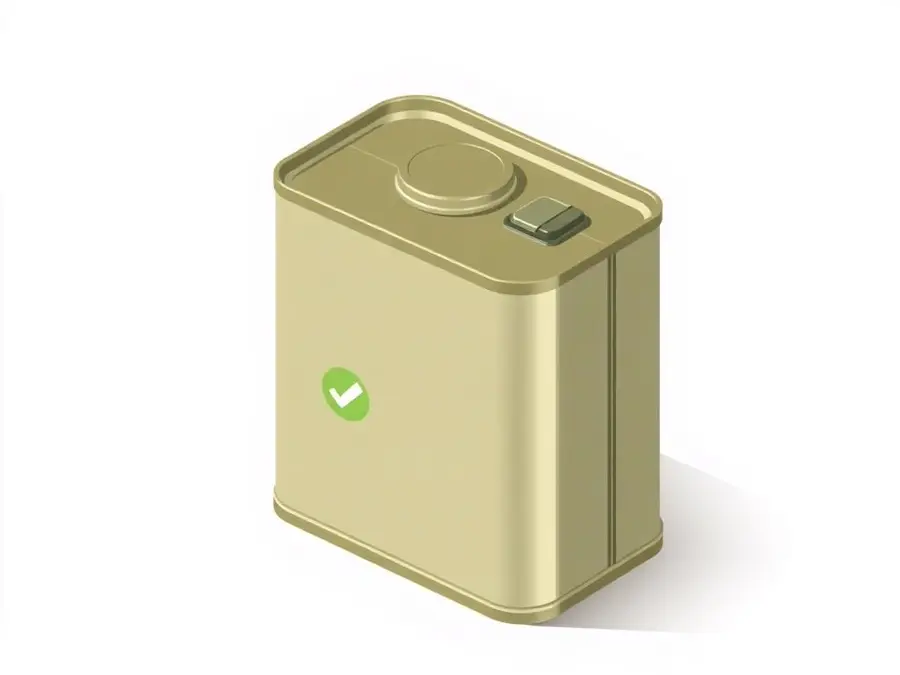
  1. Securely sealed olive oil container
    1

    Secure sealing

    Make sure the lid or cap of the container is fully and securely sealed, with no sign of leakage.

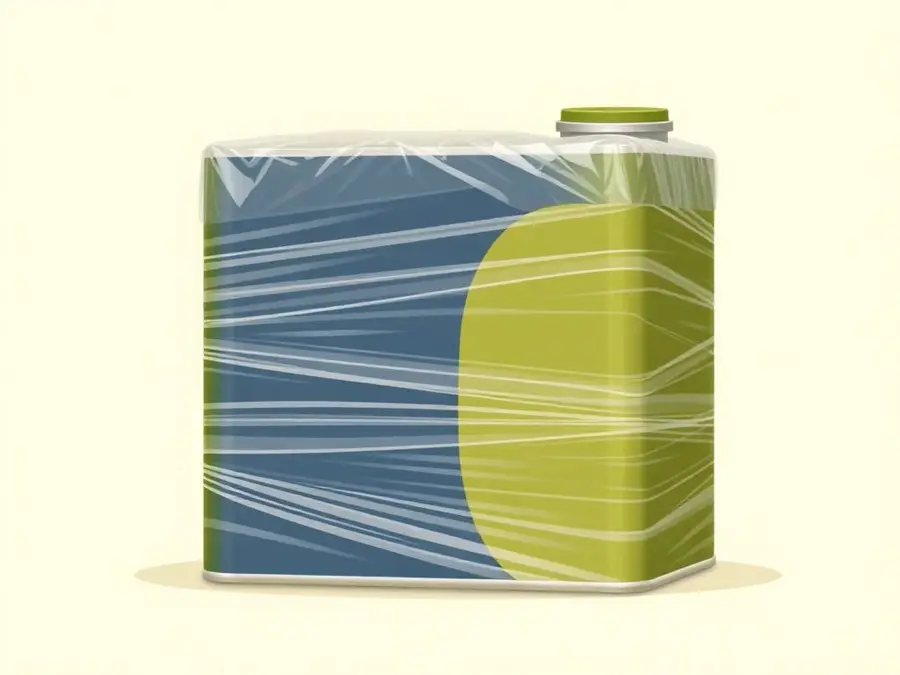
  2. Olive oil container wrapped in stretch film
    2

    Protection against possible leaks

    Wrap the entire container very well in multiple layers of stretch film, or place it inside a sturdy, airtight bag. The aim is that, in the event of a small leak, the liquid stays inside the protective packaging as far as possible.

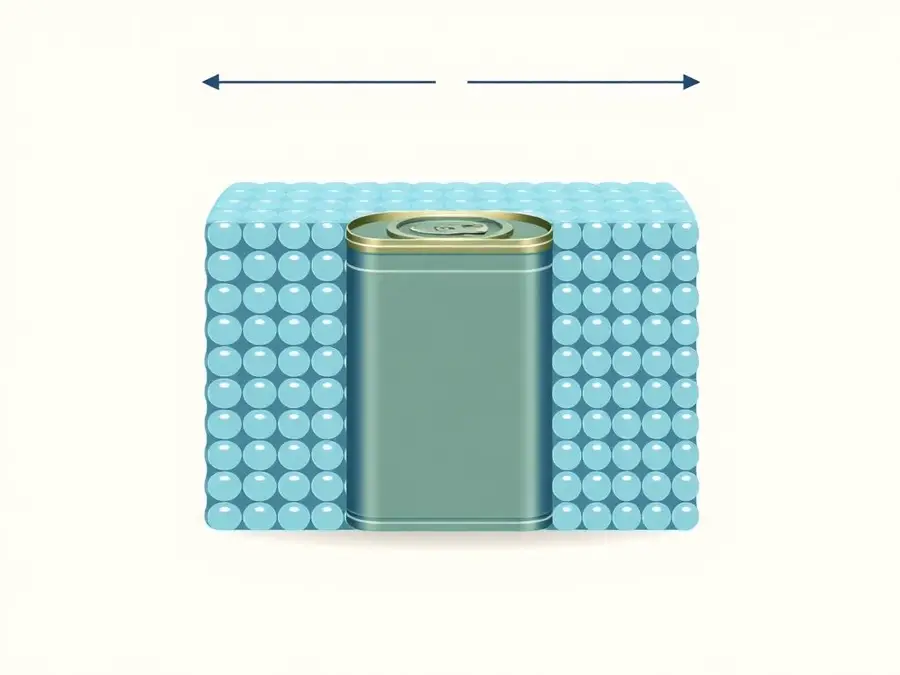
  3. Olive oil container protected with at least 5 cm of bubble wrap
    3

    At least 5 cm of protection

    Wrap the container all around, as well as top and bottom, with several layers of bubble wrap, creating a protective cushion of at least 5 cm on all sides.

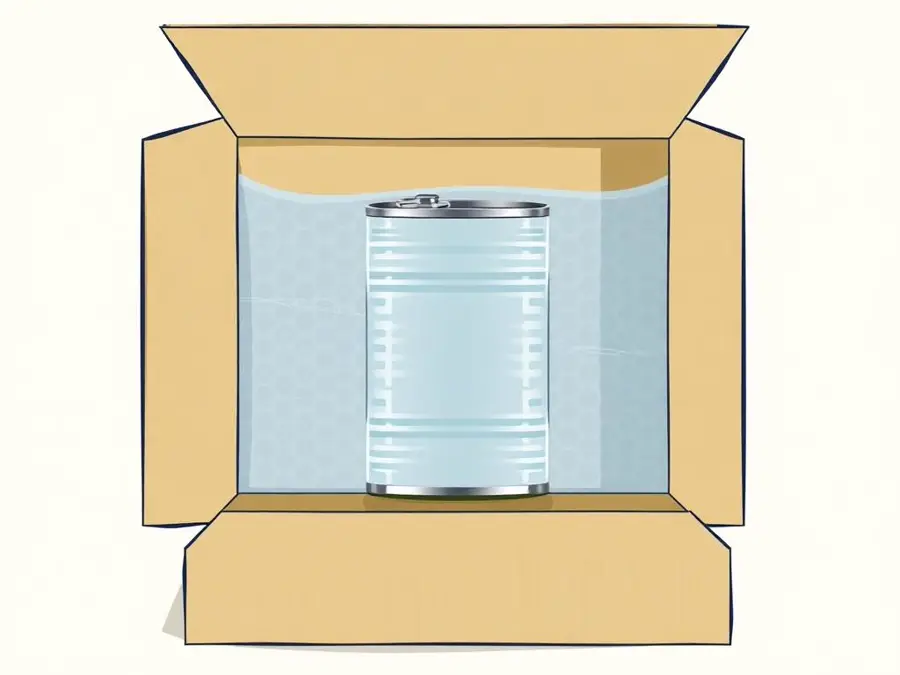
  4. Protected olive oil container inside a sturdy cardboard box
    4

    Placing it in a sturdy cardboard box

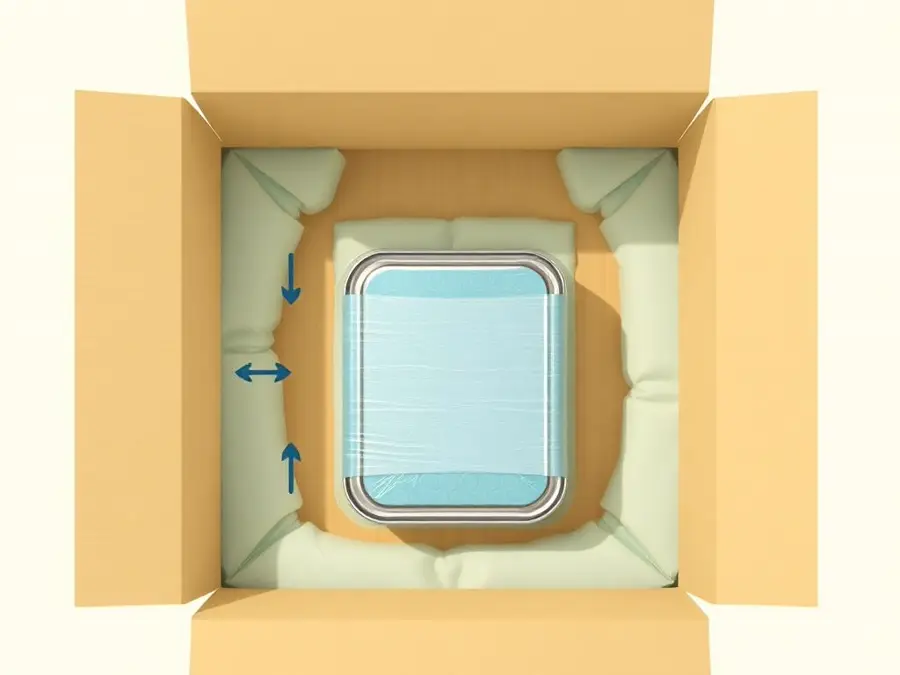
    Place the protected container in a sturdy cardboard box of a suitable size. The container must fit firmly and must not be able to move inside the box.

  5. Filling the gaps in the cardboard box with protective material
    5

    Filling all gaps

    If there are gaps between the container and the cardboard box, completely fill all the gaps with extra bubble wrap or suitable protective foam.

    Tip: When you gently shake the box, the container must not move inside it.

  6. Securely sealing the cardboard box with packing tape
    6

    Strong sealing

    Seal all the seams of the cardboard box with strong packing tape, paying particular attention to both the bottom and the top of the box.

Proper packing in 6 steps

  1. Seal
  2. Stretch film / bag
  3. Bubble wrap ≥ 5 cm
  4. Cardboard box
  5. Fill gaps
  6. Strong tape

Important before pickup

The packaging must be able to withstand the normal handling of international transport, such as moving, vibration and stacking with other parcels.

Olive oil containers handed over without adequate protection against leaks and impact may not be accepted for transport.

Honey & liquidsLeak-proof closure, individual protection, upright position.
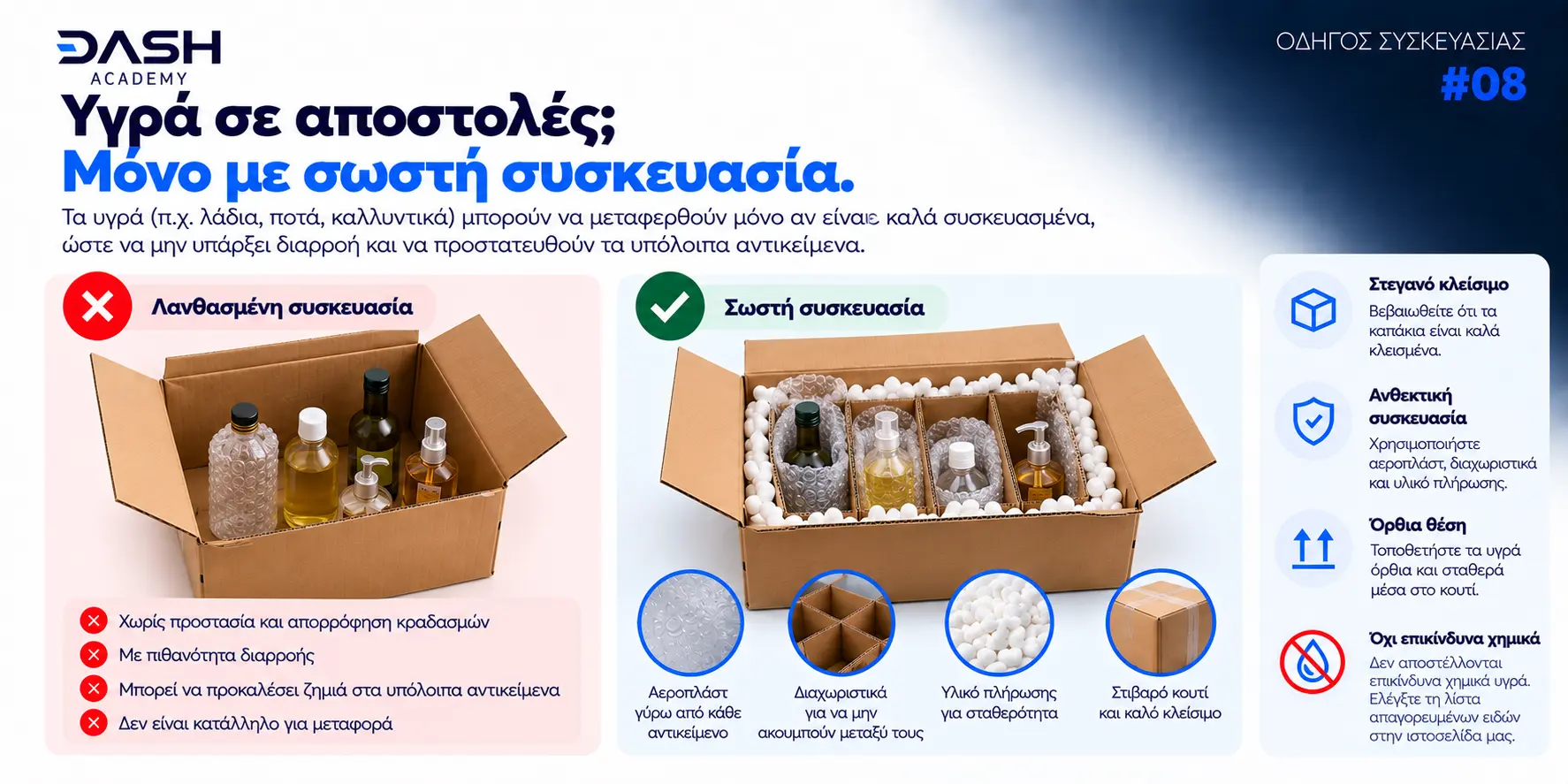
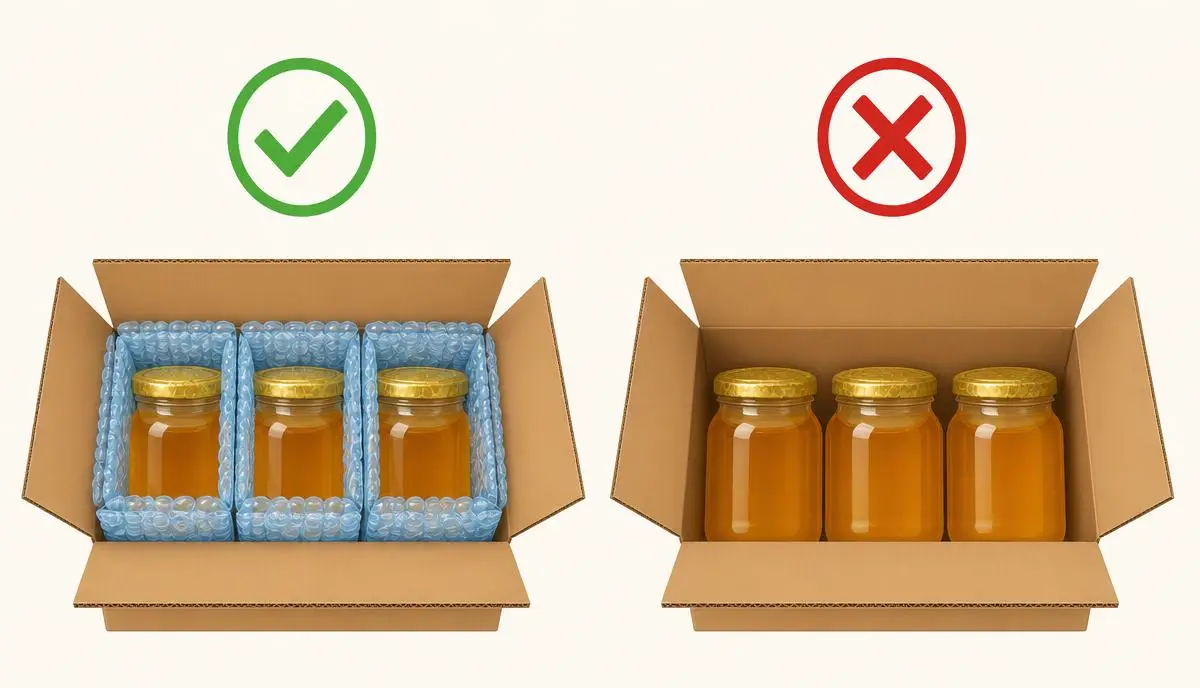
Incorrect and correct packing of liquids: unprotected containers compared with containers wrapped in bubble wrap, with dividers and filling material.
Tap the image to enlarge

Correct physical packaging

  • Every container tightly closed and wrapped individually.
  • Dividers so that containers do not touch each other.
  • Filling material around them and a sturdy, well-sealed box.
  • Containers are placed upright.

Proper packaging does not mean that every liquid can be transported. Some liquids, chemicals or other regulated goods may require a specific check or documents, or may not be accepted on the service in question. Check the shipping rules first or contact DASH.

Honey

How do I pack honey properly?

Shipping honey requires particularly careful packing, especially when glass jars are used. During transport we must protect the contents against both possible leaks and breakage of the container.

Honey can be shipped in glass or plastic jars, as well as in metal containers. Every container must be fully sealed, protected individually and placed in a sturdy cardboard box with no possibility of movement inside it.

  • Most common

    Glass jar

    Requires extra protection

  • Plastic jar

    Protection against leaks & pressure

  • Metal container / tin

    Protection against leaks & knocks

  1. Securely sealed glass honey jar
    1

    Secure sealing

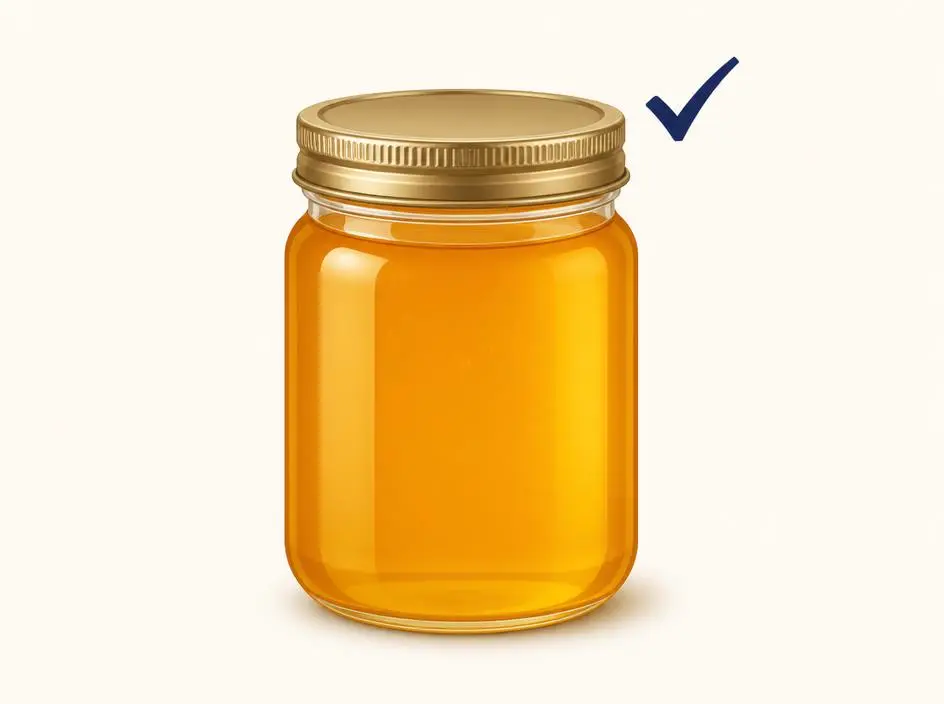
    Make sure the lid of every jar or container is fully and securely closed, with no sign of leakage. Pay particular attention to the point where the lid meets the container.

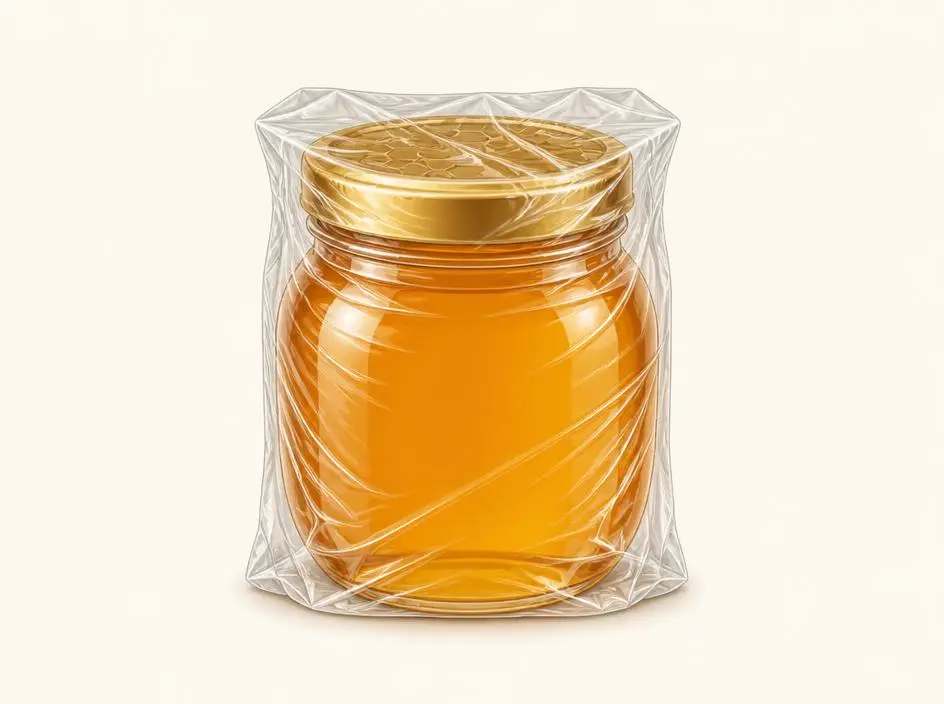
  2. Honey jar protected with stretch film against possible leaks
    2

    Protection against possible leaks

    Wrap each container individually in multiple layers of stretch film, or place it inside a sturdy, well-sealed bag. The protection must cover the whole container so that, in the event of a leak, any spread of the contents is limited as far as possible.

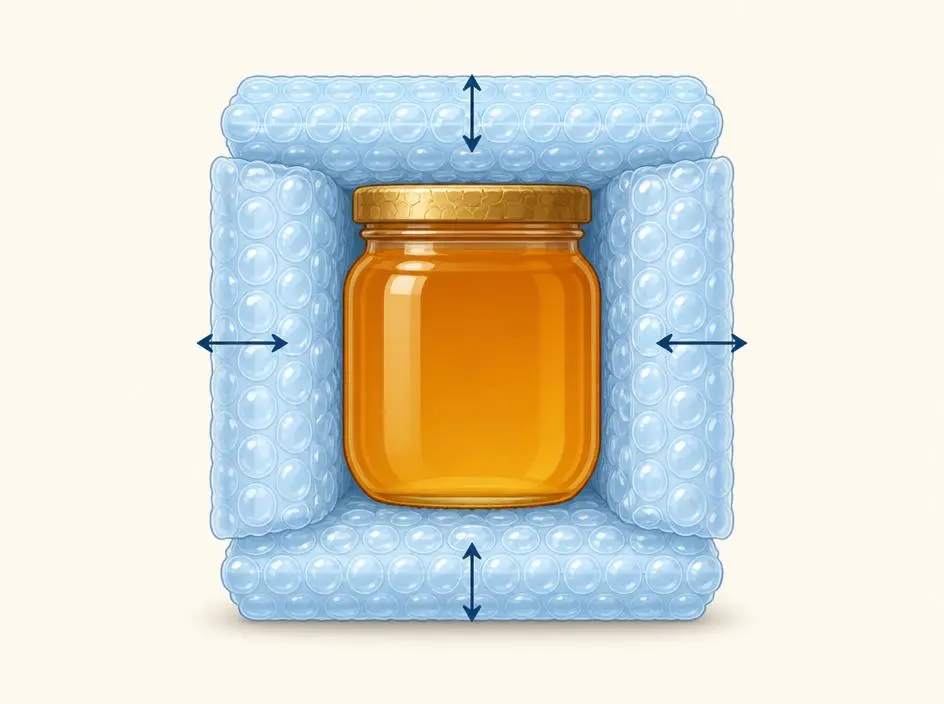
  3. Glass honey jar with at least 5 cm of bubble wrap protection
    3

    Protection against breakage

    Wrap each jar individually in several layers of bubble wrap, creating a protective cushion of at least 5 cm all around, as well as top and bottom. Glass jars require particular care, as no glass container may come into direct contact with another container or with the walls of the cardboard box.

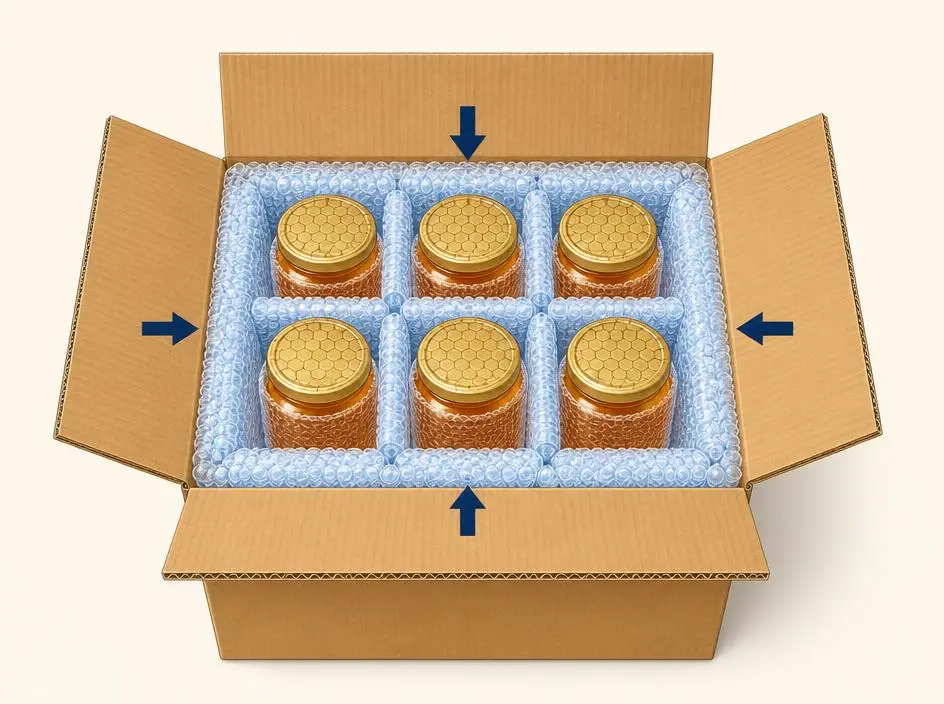
  4. Individually protected honey jars inside a sturdy cardboard box
    4

    Placing them in the cardboard box

    Place the protected containers upright inside a sturdy cardboard box of a suitable size. The jars must stay stable and must not touch each other or the walls of the box directly.

  5. Filling the gaps between honey jars with protective material
    5

    Filling all gaps

    Completely fill all the gaps between the containers and the cardboard box with extra bubble wrap or suitable protective foam. The contents must form a solid unit with no possibility of movement.

    Tip: Do the “movement test”: gently shake the box before closing it. You must not feel or hear the jars moving inside it.

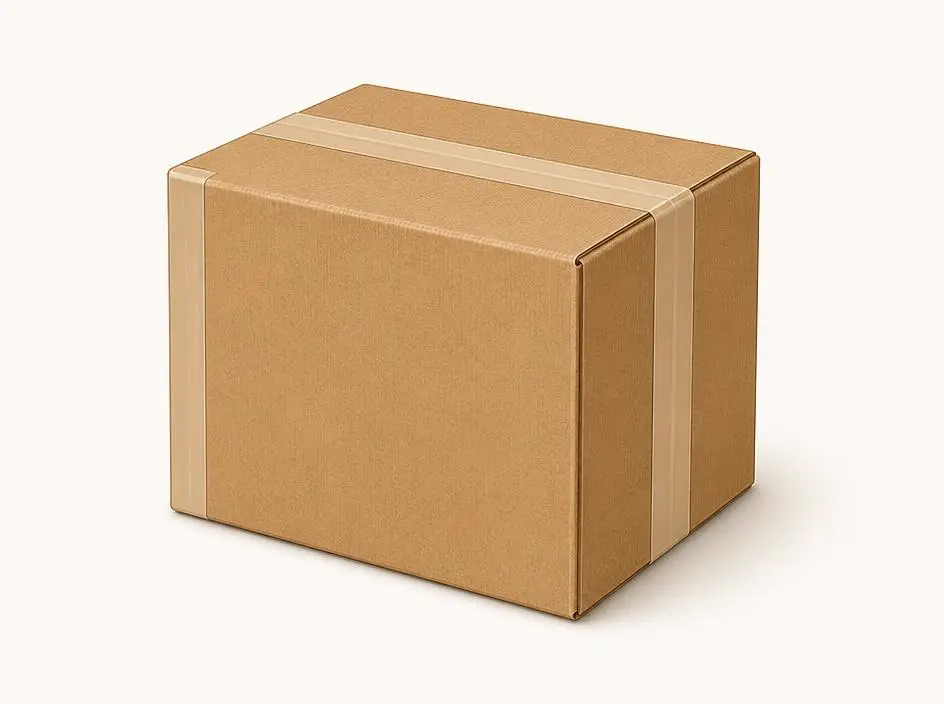
  6. Securely sealing the honey box with packing tape
    6

    Strong sealing

    Seal the cardboard box with strong packing tape, reinforcing all the seams and paying particular attention to both the bottom and the top of the box.

Glass jars: take extra care

When you send more than one glass jar in the same parcel, each jar must be packed and protected individually.

Glass jars must not touch each other or come into direct contact with the sides, top or bottom of the cardboard box.

There must be enough protective material between the jars so that, even if the parcel is shaken or put under pressure, the jars do not knock against each other.

Individual protection for every jarGlass touching glass
Correct and incorrect placement of glass honey jars in a cardboard box

Proper packing in 6 steps

  1. Seal
  2. Stretch film / bag
  3. Bubble wrap ≥ 5 cm
  4. Cardboard box
  5. Fill gaps
  6. Strong tape

Important before pickup

The packaging must be able to withstand the normal handling of international transport, such as moving, vibration and stacking with other parcels.

Honey jars or containers handed over without adequate protection against leaks, breakage or movement inside the cardboard box may not be accepted for transport.

Glass & fragile itemsEvery piece individually, nothing touching the box walls.

Protection

  • Wrap every fragile item individually in bubble wrap or paper.
  • Items must not touch each other or the walls of the box directly.

Box

  • A sturdy, ideally double-wall cardboard box, with all gaps filled.
  • No excessive weight for the size of the box.
  • A “Fragile” marking helps, but proper packaging matters more.
ElectronicsLaptops, tablets, phones, cameras and similar devices.
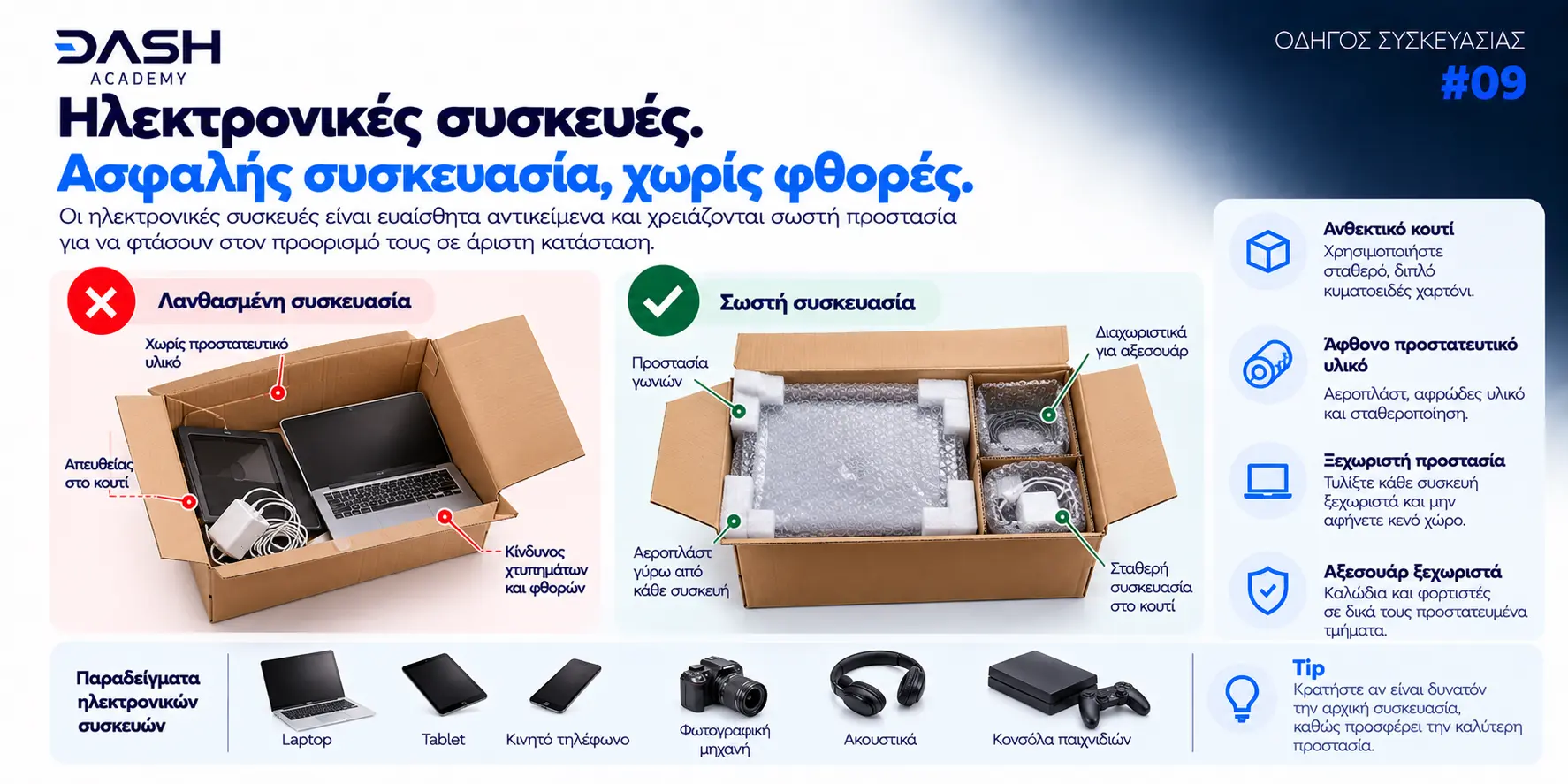
Incorrect and correct packing of electronics: devices loose in a box compared with devices in bubble wrap, with corner protection and a separate place for accessories.
Tap the image to enlarge

Packaging

  • The original packaging with the factory inserts is usually the best choice, if it is in good condition.
  • Otherwise, wrap each device individually and place it in a sturdy box so that it cannot move.
  • Cables and chargers in their own protected space, so they do not knock against the device.

For devices with batteries, first check the shipping rules.

Bicycles & large itemsDisassembly, protection and secure placement.
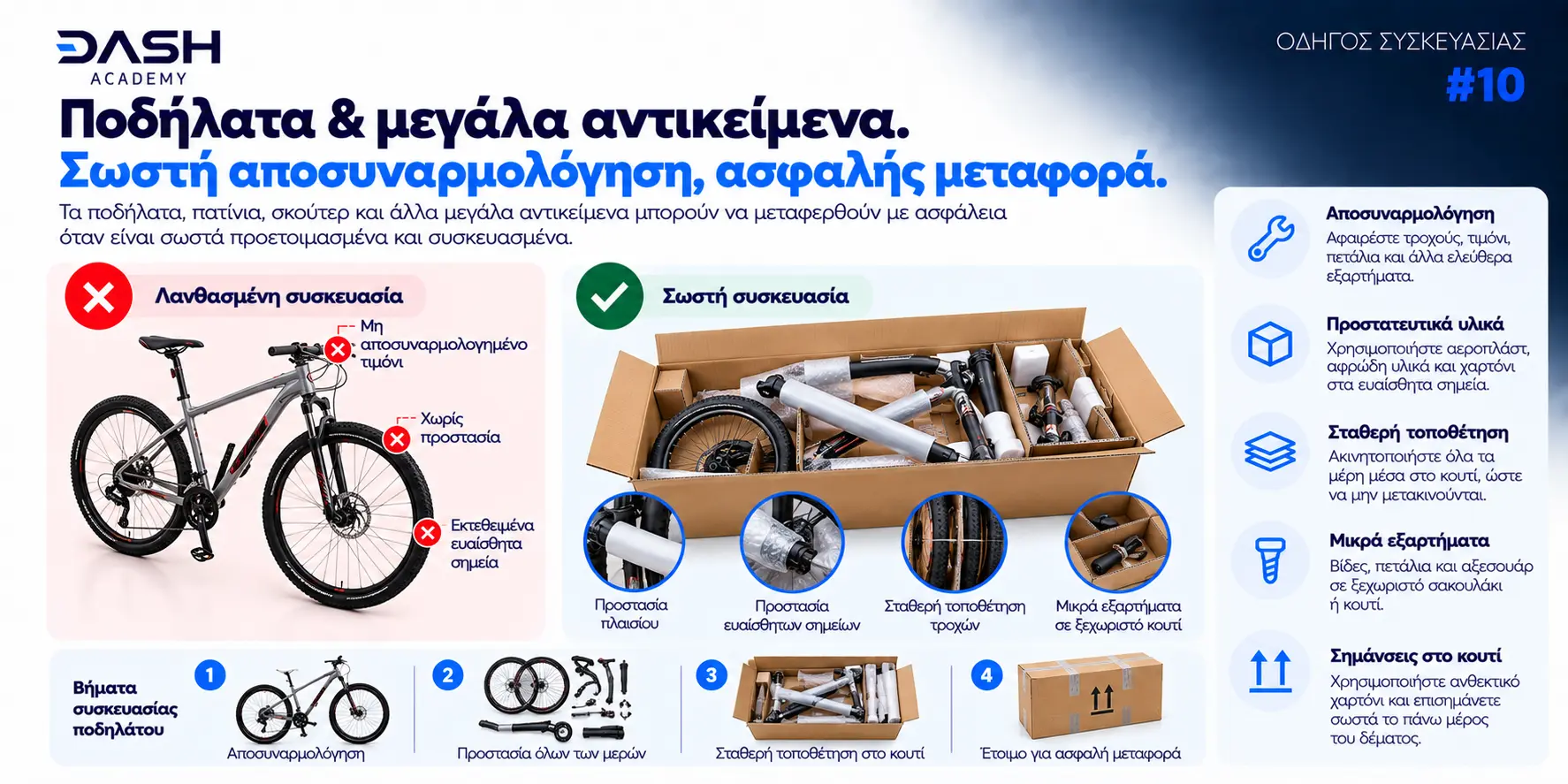
An unprepared bicycle compared with a disassembled bicycle in a box, with a protected frame, secured wheels and small parts in a separate box.
Tap the image to enlarge

Preparation

  • Where possible, remove the wheels, handlebars, pedals and other loose parts.
  • Screws, pedals and accessories in a separate bag or box.

Packaging

  • Protect the frame and delicate points with bubble wrap, foam or cardboard.
  • Immobilise all parts inside a sturdy box and mark the top side.

Whether a bicycle, scooter or large item can be transported depends on its dimensions, weight, the route and the available transport solution.

Clothes & personal itemsLess volume, a clean box, no empty space.
  • Soft items can be compressed in vacuum bags — always inside an outer cardboard box.
  • Choose a box sized to the contents, so no empty space is left.
  • Use a clean box, without cleaning-product or chemical markings.
Envelopes & documentsA rigid envelope or mailing bag, properly sealed.
  • Use a rigid cardboard envelope for documents.
  • Alternatively, use a mailing bag with a self-adhesive seal.
  • Make sure it is sealed properly and cannot open.
Rigid document envelope for shipping

Moving · Packing household goods

Moving?
Household goods need different preparation.

In a move, we don't just protect the contents of a box. We protect furniture, surfaces, corners, glass, electronics and items of different shapes that will be loaded, moved and travel together.

Materials you will find useful

Not every item needs all of them. Choose the right protection according to weight, surface, fragility and how it will be transported.

  • Cardboard boxes
  • Packing tape
  • Filling material
  • Bubble wrap
  • Corner protectors
  • Moving blankets
  • Stretch film
  • Mattress bag
  • Marker & labels
FurnitureEmptying, disassembly and layered protection.
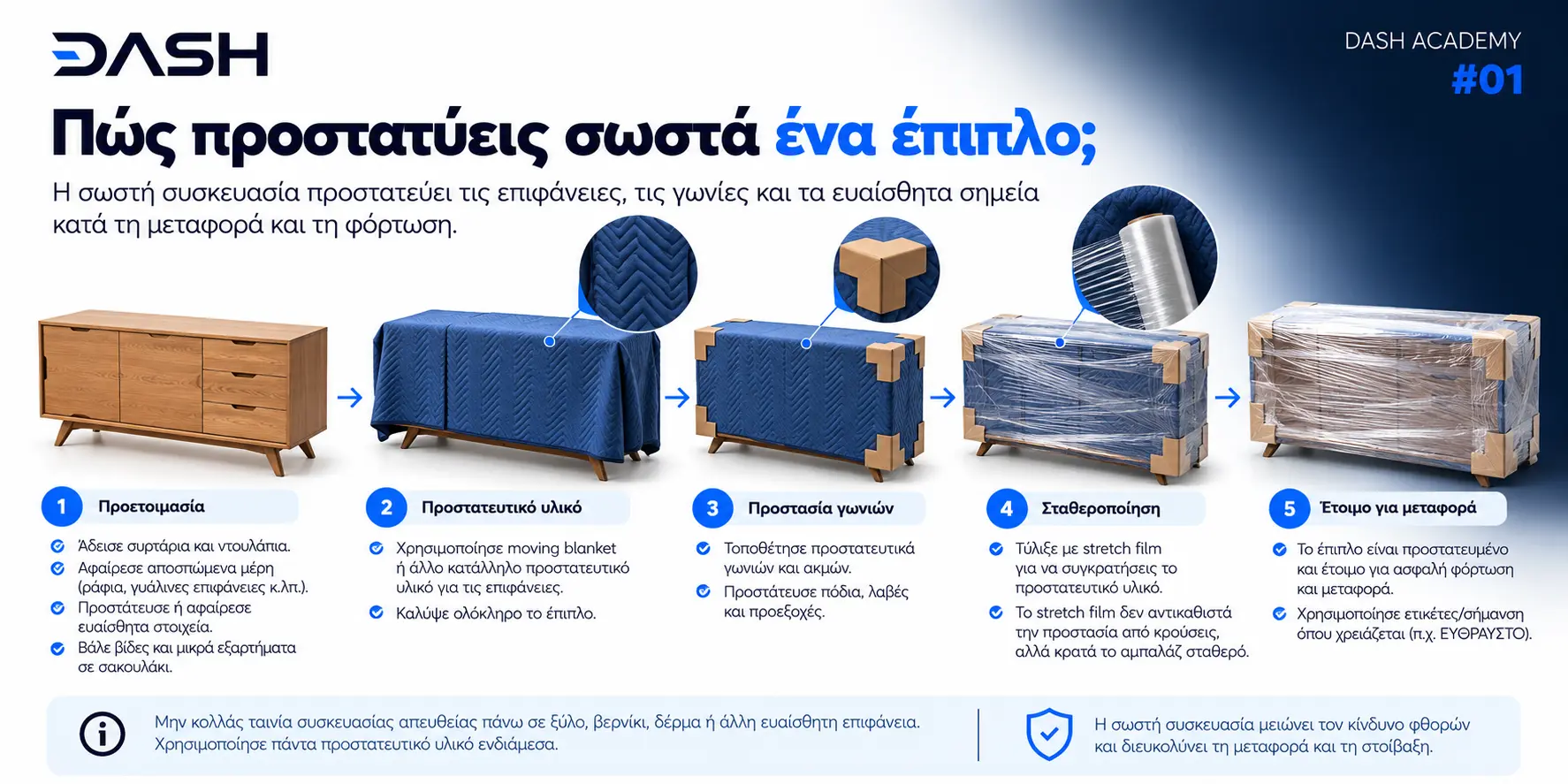
Protecting furniture in five steps: preparation, protective blanket, corner protection, securing with stretch film, ready for transport.
Tap the image to enlarge

Before packing

  • Empty drawers and cupboards.
  • Remove shelves, glass panels and other detachable parts, where practical and safe.
  • Screws and small parts in a bag, labelled with the piece of furniture they belong to.
  • For complex assembly, take a photo before disassembling.

Protection

  • A moving blanket or other suitable material over the surfaces.
  • Extra protection on corners, edges, legs, handles and protrusions.
  • Do not stick packing tape directly onto wood, varnish, leather or any other delicate surface.
  • Do not put bubble wrap directly on delicate finishes if there is a risk it will leave a mark.

Stretch film holds the protection in place. It does not replace impact protection.

Sofas, armchairs & mattressesCovered with no tape on the surface, mattress in a bag.
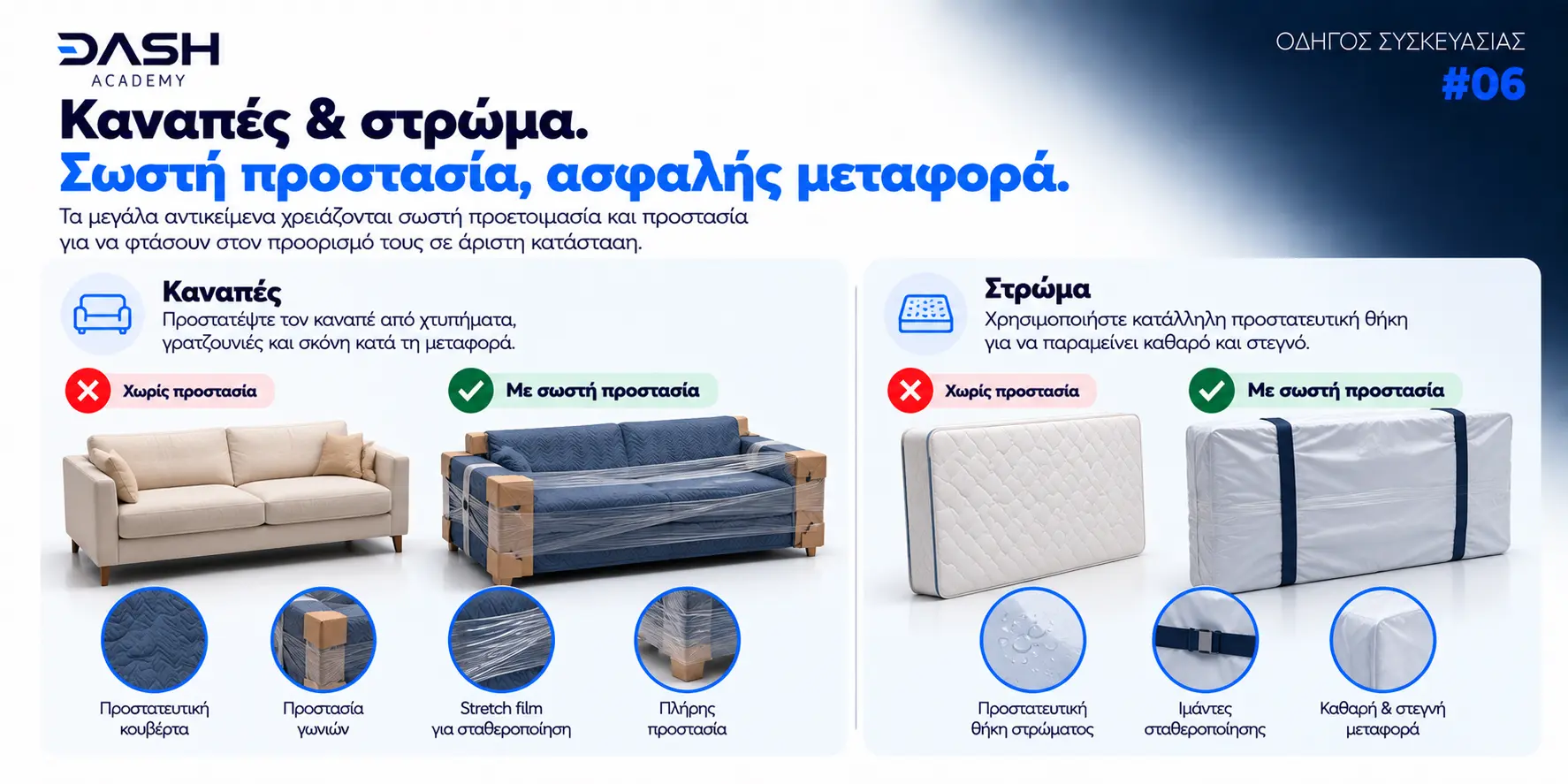
An unprotected sofa and mattress compared with a sofa in a protective blanket with corner protectors and stretch film, and a mattress in a protective bag with straps.
Tap the image to enlarge

Sofas & armchairs

  • Remove cushions and detachable parts, where practical.
  • Protect legs, corners and protrusions.
  • Cover with a protective blanket and secure it without tape on the fabric or leather.

Mattresses

  • In a protective mattress bag, properly closed.
  • Never left exposed inside the vehicle.

For long-term storage, take care that the packaging does not trap moisture.

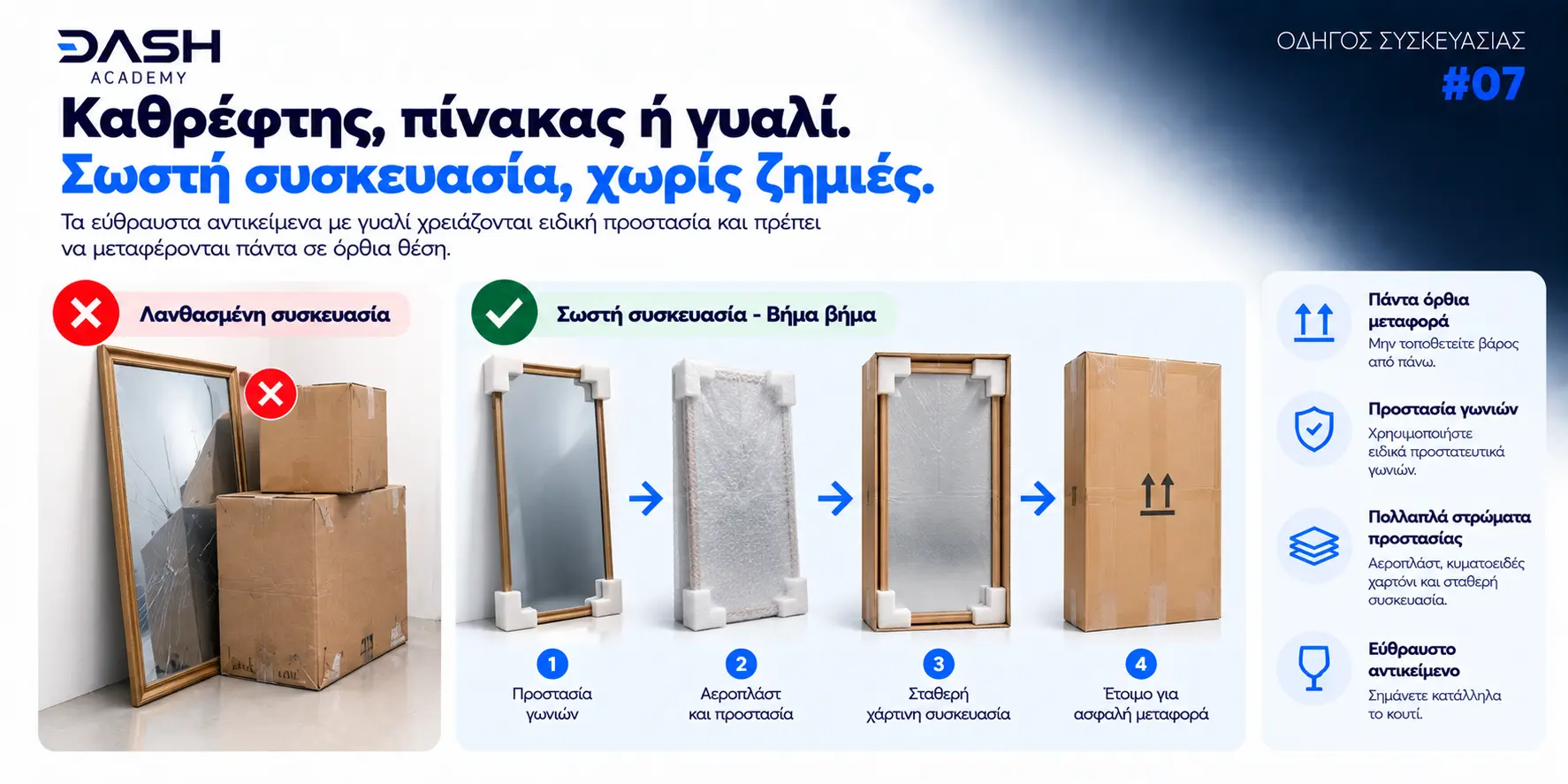
Mirrors, paintings & glass surfacesCorners, protective material, a rigid box, always upright.
An unprotected mirror compared with packing in four steps: corner protection, bubble wrap, rigid cardboard packaging, ready for transport in an upright position.
Tap the image to enlarge
  1. 1Remove or secure hooks and metal hanging fittings.
  2. 2Give the corners particular protection.
  3. 3Wrap in bubble wrap or other suitable protective material.
  4. 4Place it in a dedicated mirror/picture box or other rigid packaging and fill the gaps.
  5. 5Mark the box (FRAGILE / THIS SIDE UP) where it helps.
  6. 6Transported upright, with no heavy items on top.

Tape in an X pattern on the glass does not protect it from breaking and does not replace corner protectors, protective material and rigid packaging.

TVs & monitorsIdeally the original packaging; always upright, never any weight on top.

The best choice is usually the original packaging with the factory foam inserts, provided it is in good condition and fits the device properly.

Do not place any weight on top of the TV box.

If you don't have the original packaging

  • Remove the stand or legs, where practical.
  • Photograph the connections before unplugging the cables.
  • Cables, remote control and screws organised in a separate bag.
  • Protect the screen without putting pressure on it, and add corner protection.
  • A dedicated TV box of the right size, with the gaps filled.
  • Transported upright and never used as a base for other items.
Fragile household itemsIndividual wrapping, all-round protection and the shake test.
  • Each fragile item individually
  • Protection between items
  • Protection from the box walls
  • Enough protective material all around
  • Gaps filled
  • Heavy at the bottom, light on top
  • No overloading

Practical test: close the box temporarily and shake it gently. If you can hear or feel the contents moving, it needs more stabilising.

Household moving boxesMany manageable boxes instead of a few overly heavy ones.

When moving, many properly filled, manageable boxes are usually preferable to a few overly large and heavy ones.

  • Heavy items at the bottom, lighter ones on top, where it is safe.
  • Fill the gaps and do not overfill until the sides bulge.
  • Seal well with packing tape.
  • Mark the room or contents category, and mark fragile items clearly.

Difference from standard parcel shipments

When moving, old commercial printing on an otherwise sturdy box is not a problem in itself. However, do not use boxes that are damp, badly torn, caved in or have lost their strength.

Planning an international move? See how international moving with DASH works.

Final check

Before it leaves, do one last check.

Standard parcel shipment

  • The box is sturdy and undamaged.
  • The contents do not move.
  • Fragile items are protected individually.
  • The gaps have been filled.
  • The box is fully closed.
  • The tape has been applied correctly.
  • There are no old shipping labels or barcodes.
  • There are no external markings that give a misleading impression of the contents.
  • The weight I declared is correct.
  • The dimensions are the final outer dimensions of the closed parcel.
  • The new shipping label is clean and legible.

Moving

  • Furniture is empty and fittings are in a labelled bag.
  • Corners and surfaces have protective material.
  • TVs and mirrors are upright, in rigid packaging.
  • Boxes are labelled and not bulging.

FAQ

Frequently asked questions

Can I send a suitcase without a box?

It can be transported, but placing it in a sturdy cardboard box is strongly recommended. Suitcases without outer packaging often incur special-handling charges and, if damaged, are usually not covered by the carriers' insurance.

Can I use an old box?

For standard parcel shipments, choose a new or genuinely excellent-condition cardboard box, with no moisture, tears or deformed corners, and without old labels, barcodes or markings for other contents. For moving, a sturdy box with commercial printing is not a problem in itself.

Can I write “fragile”?

You can, but proper packaging matters more than the marking.

Can a parcel be refused because of its packaging?

Yes. If the packaging is not suitable for safe transport, the pickup may be refused.

Which dimensions do I declare?

The outer dimensions of the final, closed parcel: length, width and height, including the packaging and protection.

What is volumetric weight?

A weight calculated from the parcel's volume (length × width × height ÷ divisor). The divisor varies by carrier and service, and the charge may be based on whichever is greater: the actual or the volumetric weight.

Ready for transport?

Choose what you want to arrange and continue from the right place.

Sending a parcel?

Enter the route, weight and final outer dimensions and see the available shipping options.

Get a shipping quote

See also international parcel shipping and DASH 2 DOOR™.

Planning a move?

Tell us where you are moving from, where you are going and what needs to be transported.

Request a moving quote